 Qatar Now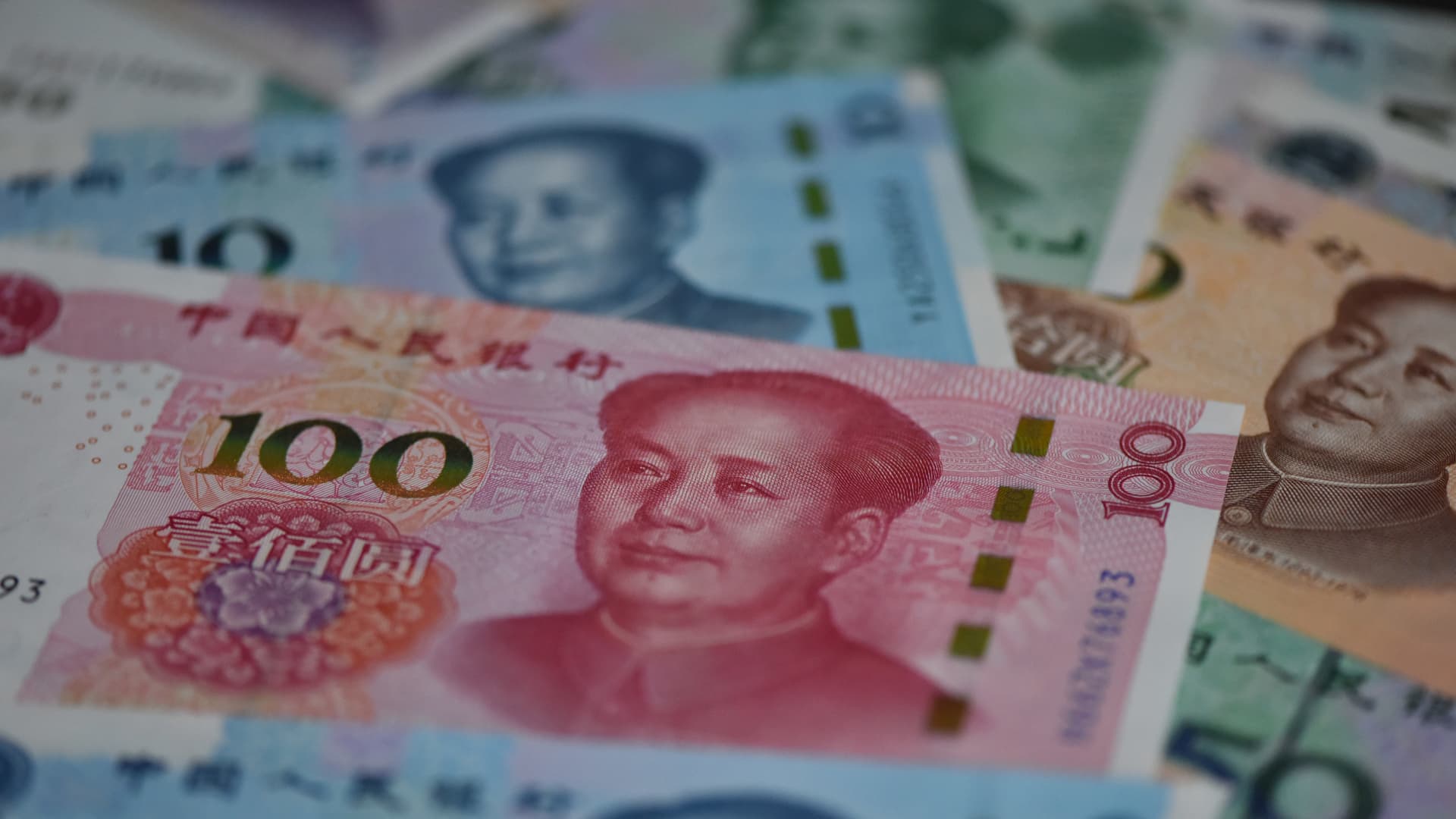
Japanese 10000 yen, 5000 yen and 1000yen banknotes arranged in Tokyo, Japan, on Wednesday, Oct. 8, 2025. Toru Hanai | Bloomberg | Getty Images The Japanese yen's recent appreciation has investors looking elsewhere for carry-trade funding, with the currencies of China and Canada eyed as potential replacements. The yen, the best-performing G10 currency, has appreciated around 6% against the dollar since late July, when authorities intervened in currency markets, according to LSEG data.
Speculators flipped net long on the yen in the week to Sept. 8, according to the Commodity Futures Trading Commission. Such positions totaled around 10,800 contracts, compared to around 92,200 yen short positions the prior week. Hawkish commentary from Bank of Japan board members, which left open the possibility of accelerated rate hikes, has helped strengthen the yen in a way the historic joint U.S.-Japan currency intervention couldn't.
Plus, Treasury Secretary Scott Bessent continued to warn speculators about betting against the yen, saying last week, "I am the house now." That all makes the yen less attractive for carry trades, where investors borrow in low-yielding assets to invest in higher-yielding ones. The Chinese yuan is being floated as a contender, according to Bank of America. "I like to quip that Japan is becoming like China was 20 years ago, and China is becoming like Japan" concerning deflation, said Claudio Piron, head of Asia forex and rates.
"The openness of the capital account of China is much more restricted than that of Japan," he said on "Squawk Box Asia" on Friday. "But we've seen a lot of issuance in CNH [offshore yuan] bonds, and a lot of foreign multinational companies seek funding and issuance in those markets." Last month, China kept benchmark lending rates unchanged for the 15th consecutive month, with the one-year loan prime rate at 3% and the five-year rate at 3.5%. While the offshore Chinese currency trades more freely than the onshore one, it's still largely anchored to the latter, which is managed by the People's Bank of China.
The Canadian dollar is also on investors' radar. TD Securities expects it to become a more compelling carry trade funding currency relative to the yen, forex strategists said in a report published last week, noting that its carry-to-volatility ratio is "already comparable to the Japanese yen." While the Canadian dollar weakened after the latest round of tit-for-tat tariffs with the U.S., it still has room to depreciate as the tariff shock affects sentiment and production, and ultimately domestic economic data, they said. The Bank of Canada held its policy interest rate unchanged at 2.25% at a meeting earlier this month.
Still, the Japanese currency's latest strength likely does not mean the end of the yen carry trade. "We could see some rotation," said Chris Wong, forex strategist at OCBC. But "even after another BOJ hike, Japanese rates will still be low by global standards." The BOJ is set to meet for a two-day policy meeting starting Wednesday, where a hike by 25 basis points to 1.25% is expected.
By comparison, the federal funds target range is 3.50% to 3.75%, the Bank of England's rate stands at 3.75%, and the European Central Bank's at 2.5%.
Source: CNBC