 Qatar Now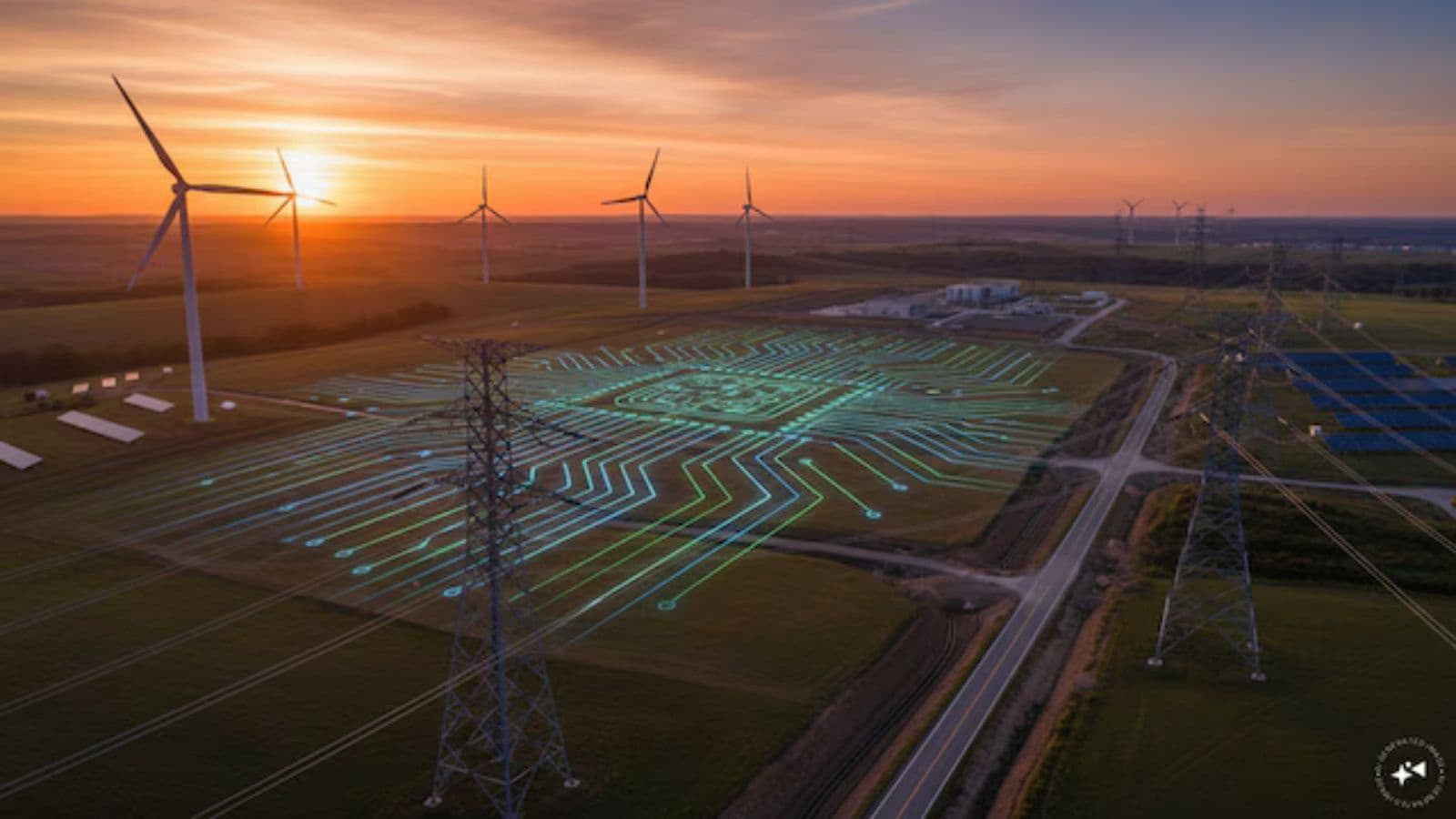
The government will offer financial support for battery storage using Indian-made components as India prepares for a much bigger renewable energy and storage build-out. 3 Min Read (Photo Credit : AI Generated ) The government plans to offer financial support to battery storage projects that use locally made components, as India prepares for a sharp increase in renewable power and needs more batteries to store electricity. The support will come under the third phase of the Green Energy Corridor programme, or GEC-3, recently approved by the Union Cabinet. The scheme will provide viability gap funding, or financial support to make projects commercially viable, to battery storage systems that meet requirements for using Indian-made components.
Santosh Kumar Sarangi, Secretary at the Ministry of New and Renewable Energy, said the government will hold consultations with the industry to decide which battery components will qualify as locally made. The push comes as India's battery storage capacity remains small compared with China. India had around 9 GWh of battery storage capacity as of June 2026, against about 400 GWh in China, Sarangi said.
The Power Ministry has already issued tenders for 45 GWh of battery storage, while another 50 GWh will be added through GEC-3. Why does India need so much battery storage? India is rapidly adding solar and wind power, but these sources do not produce electricity at a constant rate.
Solar power, for example, falls sharply after sunset. Battery storage can help save electricity when power is available and release it when demand rises. This can make it easier for the electricity grid to handle a larger share of renewable energy.
Under GEC-3, transmission infrastructure will be built to help move up to 135 GW of power. Some of this will be used to bring electricity from pumped-storage projects, while batteries will help manage electricity closer to where it is generated. Sarangi said the government has asked states to use competitive bidding to bring more private companies into these projects and speed up their development.
Also read: Cement demand stronger than expected says CLSA’s Indrajit Agarwal, favours Ultratech Government steps up monitoring The government will also increase monitoring of projects under the Green Energy Corridor programme. Sarangi said the first phase of the programme is nearly complete and is expected to be finished by March 2027. Pending projects under the second phase will be brought under the supervision of the Cabinet Secretary.
A project monitoring unit will also be set up to coordinate with states. The MNRE Secretary will review progress every three months, while a panel headed by the Cabinet Secretary will conduct a review every six months. Batteries also needed to keep the grid stable The government is also looking at batteries as a way to make the electricity grid more stable as renewable power increases.
Sarangi said the Central Electricity Authority has recommended the use of specialised equipment with battery storage to help maintain the stability of the grid. For now, the bigger picture is straightforward: India wants more renewable power, but it also needs more batteries to store and manage that electricity. GEC-3 is intended to help build that storage capacity while encouraging more battery manufacturing within India. (Edited by : Asmi Saxena) Home Energy News Government plans funding push for battery storage as India expands green power
Source: CNBC TV18