 Qatar Now
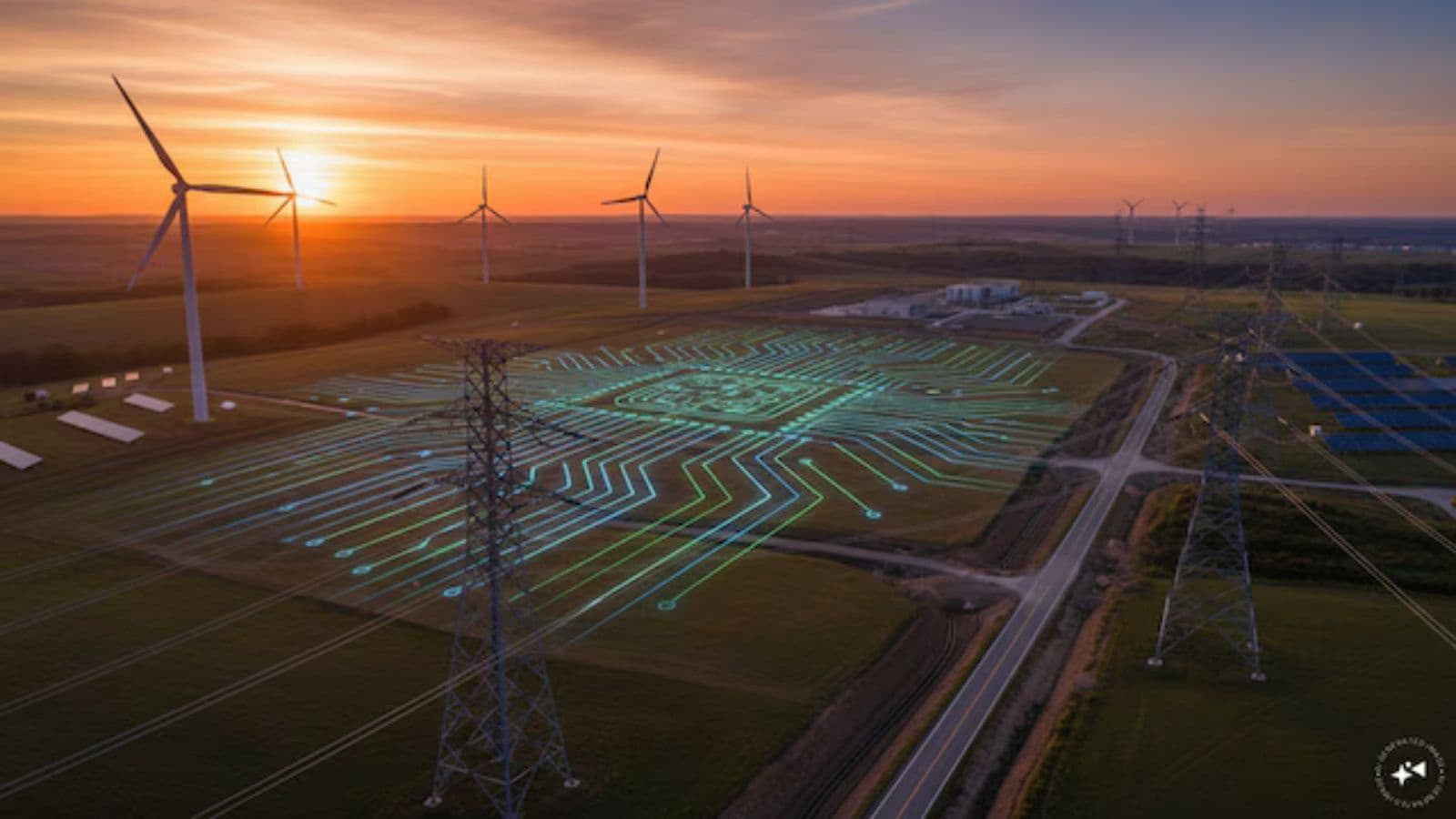
Imagine a heatwave driving electricity demand while drought hits a region with major data-centre clusters. Governments restrict water-intensive activity, communities oppose new developments and regulators demand greater disclosure of digital services’ environmental impact. The cost of delivering AI could then depend not just on computing power, but on when, where and how it is consumed, writes Hersh Shah, Chief Executive Officer, IRM India Affiliate.
By Hersh Shah October 5, 2026, 8:28:49 AM IST (Published) Artificial intelligence is currently sold to most consumers in a remarkably familiar way: pay a monthly subscription and use the product within a defined set of limits. The model feels closer to Netflix than to electricity or cloud infrastructure. Yet beneath that simplicity sits a different economic reality.
Every AI interaction requires computing power, electricity and supporting infrastructure, while data-centre cooling can require water. Different tasks can impose very different resource demands. Continue Reading with CNBC-TV18 Access Membership Priority Access and Networking: CNBC-TV18's flagship events Interaction with CNBC-TV18's journalists Webinars & LIVE Q&As with India Inc.
Leaders Exclusive CNBC-TV18 studio & newsroom tours Premium business insights, expert opinions & analysis Curated lifestyle privileges & offers Home Technology News The environmental risk behind AI: Could climate, water and energy constraints rewrite consumer pricing
Source: CNBC TV18