 Qatar Now
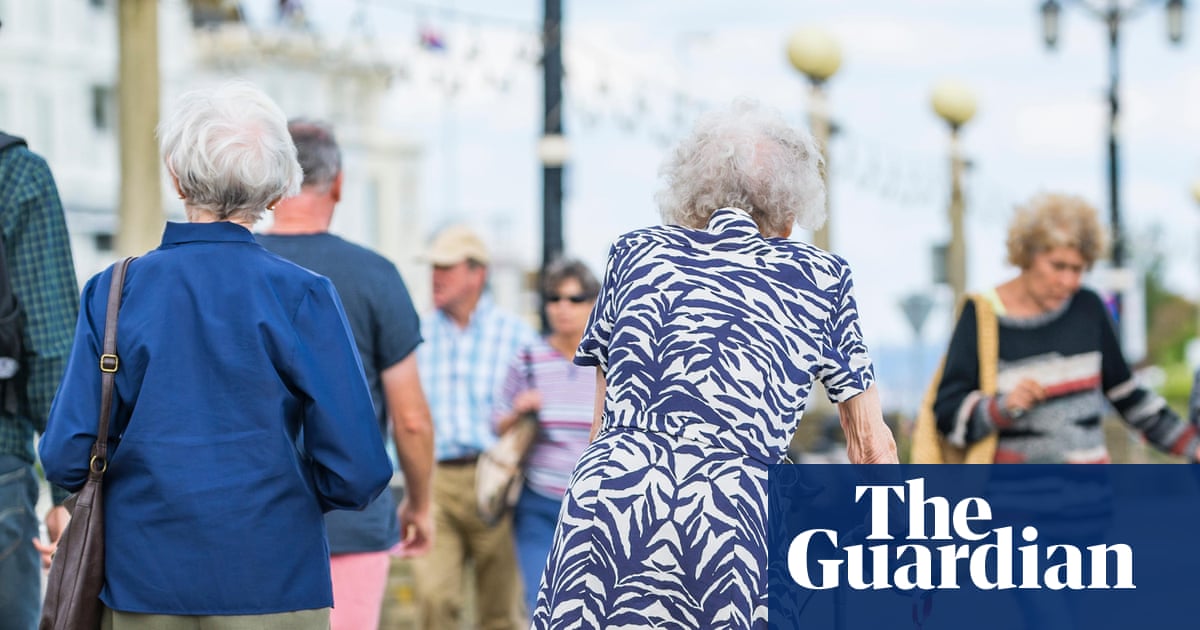
Retirees in the UK on low incomes are expected to be given a new personal allowance so that they do not have to hand any of their state pension to HMRC. The full details are due to be revealed by the chancellor, John Healey, in Wednesday’s budget, but here is what we know so far. New state pension is set to overtake personal allowance The state pension rises each April.
There are two different pensions , the basic state pension which is received by older retirees and the new state pension which is received by anyone who has retired since 6 April 2016. How much the new state pension goes up by is determined by the triple lock , which promises that it will be the highest of inflation, wage growth or 2.5%. This year, the highest of the three has been wage growth, which for the relevant month was 3.9%.
As a result, from April 2027 the full state pension will be worth £13,036 a year. Thanks to a freeze in the personal allowance that applies to everyone, the amount anyone can earn before paying tax has remained at £12,570 since 2021 . This year, the full new state pension was just under that figure, at £12,547.
Graph showing the rise in pensions and personal allowances over time Protection for the poorest Lots of pensioners have money from private and workplace pensions which already puts them over the personal allowance, and 9.6 million are already taxpayers. As the prospect of the state pension overtaking the allowance loomed last year, the then chancellor, Rachel Reeves, promised that anyone deriving all of their income from the state pension would not be taxed. This was confirmed this year .
It had been suggested that this could be done by writing off tax bills below £100, as next year’s numbers would mean people owing about £90 each if they were on only the state pension. However, it is reported that instead pensioners will have a higher personal allowance. New allowance for some A report in the Times suggests Healey will set a personal allowance for low-income pensioners that is exactly aligned with the full new state pension.
This means that in the 2027-28 tax year it will be £13,036, and it will rise in subsequent years in line with the pension increases. With the regular personal allowance frozen until 2030-31 and the triple lock in place until 2030, that means this special allowance is expected to pull away from the one that most taxpayers will have. It could get very complicated The former pensions minister Steve Webb says that this way of lifting the pension out of tax could prove “messy and increasingly expensive”.
We do not know the details, but a scheme where only those reliant solely on the state pension get an extra allowance could mean that anyone receiving even a tiny income from elsewhere will pay tax on everything over the standard £12,570 allowance. Trying to solve this could mean introducing complicated tapering. Webb says: “The gap between the new state pension and the tax threshold is set to grow every year, which will make the policy hard to switch off.
But if it continues, the cost will grow and grow. “And if the extra allowance is available only to those on a low income, there could be a growing ‘cliff-edge’ problem where those with very small amounts of private income lose the whole allowance and end up worse off than those with nothing.” To make things more complicated, it is not clear how pensioners on the old state pension will be given the same protection. Their pension consists of two elements and in some cases people who get only the state pension are already being paid a figure above the personal allowance.
Pensioners’ higher allowance has been scrapped before Up until the 2013-14 tax year, people aged 65 or older could claim one of two age-related additions to the personal allowance. The year before this was introduced, the personal allowance was £8,105 for under-65s, £10,500 for those aged 65-75, and £10,660 for those aged over 75. The allowance was tapered so pensioners with incomes of just over £30,000 did not get the extra relief.
The larger allowance was supposed to help older people retain money to meet higher heating costs and other expenses associated with ageing. The change was made by the then chancellor, George Osborne, to make the system simpler: lots of pensioners did not realise they had to claim it, and the tapering was complicated. He froze the existing allowance for pensioners.
He said at the time: “This will protect the existing level of allowance pensioners have while introducing a new single personal allowance for all. It is a major simplification, it saves money, and no pensioner will lose in cash terms.” The change will benefit only pensioners Another thing that might make the policy unpopular is that it will give pensioners a benefit that is not shared by low-income workers. Some may argue that it would be fairer to increase the personal allowance for everyone.
That would, of course, be much more expensive for the government.
Source: The Guardian