 Qatar Now
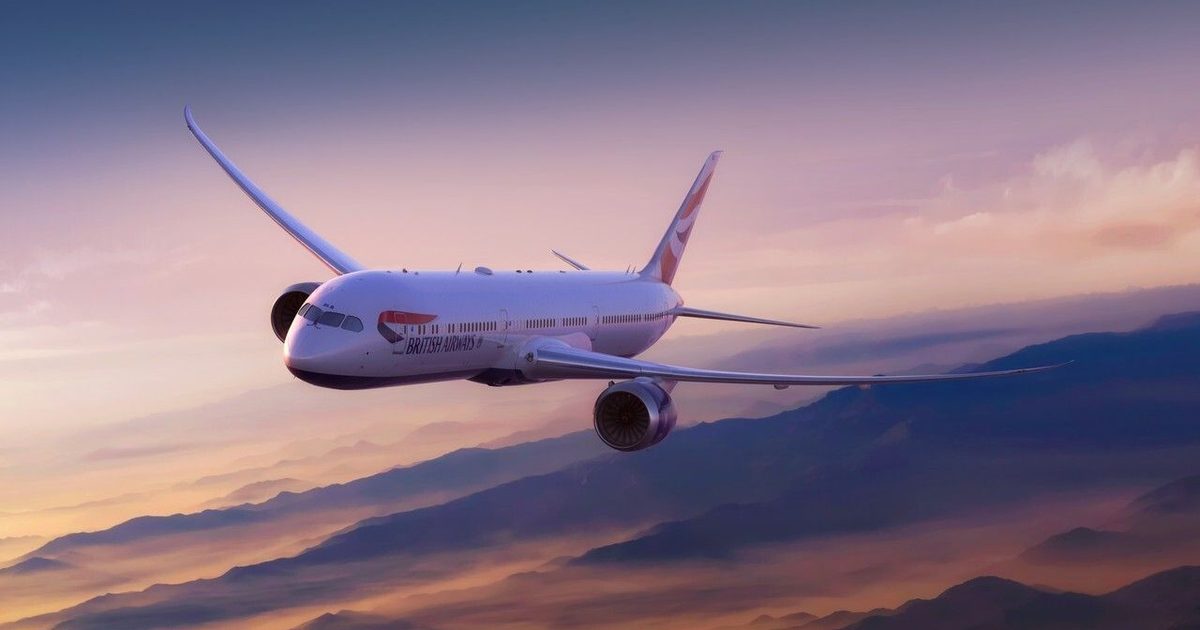
British Airways owner International Consolidated Airlines Group (LSE) is still finding passengers willing to pay more to fly. Keeping that extra revenue from disappearing into the fuel bill is proving harder. Third-quarter operating profit before exceptional items fell 16% to €1.73 billion, despite revenue rising 4.5% to €9.74 billion.
Fuel costs jumped 30.4%, even after hedging benefits, while air traffic control outages and other disruptions added to costs. Its operating margin narrowed to 17.7% from 22%. The fuel price pressure Jet fuel prices in the period were roughly double the levels seen a year ago, before the Iran-war triggered a worldwide shortfall in hydrocarbons.
In recent days, since the US midterm election results (which some interpret as a potential catalyst to a meaningful peace deal, as Donald Trump faces closer scrutiny domestically), prices have found some relief, with IATA’s latest weekly reading showing a 2.6% decline in jet fuel pricing to $191.54 a barrel. Hedging, which lets carriers lock in future fuel prices, has softened the blow. And, in this moment, it also presents an awkward choice: secure supplies at today’s elevated prices, or leave more of next year’s bill exposed to market swings.
As older, cheaper contracts expire, the hedge protection diminishes. A sector-wide challenge Across the sector, airlines are managing the squeeze with varying success. Lufthansa recently increased third-quarter adjusted operating profit 6% to €1.41 billion as stronger revenue and cost discipline outweighed higher fuel costs.
Even so, it lowered the top end of its annual profit forecast after its expected fuel bill rose €600 million to €9.3 billion. Air France-KLM also beat quarterly profit expectations, reporting €1.34 billion, supported by demand for direct flights to India and Asia and its expanding premium offering. It nevertheless raised its annual fuel-cost forecast to $9.2 billion from $8.9 billion.
At the budget end, Ryanair reported a 15% fall in first-half profit after tax to €2.15 billion. Passenger numbers rose 6%, but average fares fell 4% and the price of its unhedged fuel doubled. More customers did not translate into more profit.
North Atlantic routes brighter for IAG For IAG, the North Atlantic provided the clearest bright spot. Unit revenue rose 11% on broadly unchanged capacity, with British Airways achieving a 12% increase. Europe was tougher: heavy competitor capacity growth prompted the group to trim its own flying by 1.2%, mainly at Iberia and Vueling.
Chief executive Luis Gallego said IAG had “delivered another resilient quarter”. The group raised its interim dividend 10% to €0.053 a share and has started the final €500 million tranche of its €1.5 billion buyback. IAG now expects slightly lower annual capacity and an €8.9 billion fuel bill, but still targets an operating margin before exceptional items of at least 12%.
It said 85% of expected fourth-quarter bookings were secured, with bookings for the first quarter of 2027 currently strong.
Source: Proactive Investors